
1. Sadza
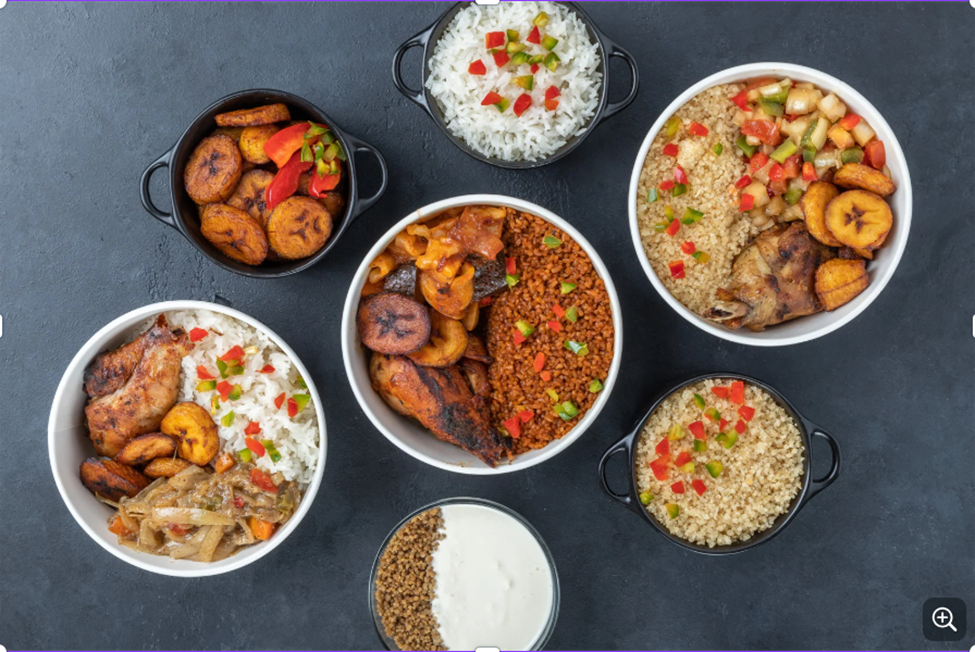
Sadza is the undisputed king of Zimbabwean cuisine. Made from finely ground white maize (cornmeal), it’s cooked with water into a thick porridge-like consistency and served as the main carbohydrate in nearly every meal. Sadza acts as the base on a Zimbabwe food menu and is typically paired with relish, vegetables, and meat such as beef stew or chicken.
The beauty of Sadza lies in its versatility. It can be eaten for lunch or dinner and customized with various sides depending on what’s in season or available. For special occasions, it’s accompanied by rich, meaty stews or dried fish.

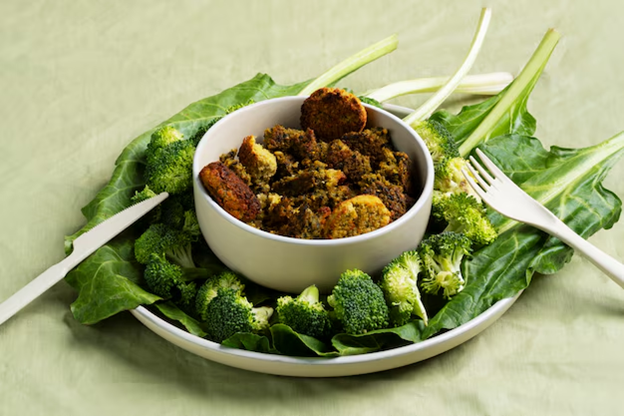
2. Muriwo Unedovi (Leafy Greens in Peanut Sauce)
Muriwo Unedovi is a comforting side dish made from leafy greens such as kale, spinach, or pumpkin leaves cooked in a creamy peanut butter sauce. This dish offers a nutty and earthy taste that perfectly complements Sadza. It’s packed with nutrition, affordable to make, and often a daily staple in many households.
Peanuts are a major crop in Zimbabwe, which explains the generous use of peanut butter in several traditional dishes.

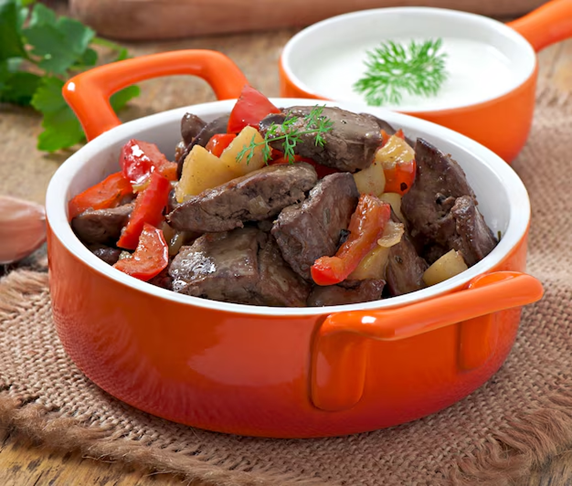
3. Nyama (Meat Stew)
A Zimbabwe food menu isn’t complete without a hearty meat stew. Nyama typically refers to beef or goat stewed with onions, tomatoes, and a variety of spices. It’s often slow-cooked to tender perfection, delivering deep, savory flavors that pair beautifully with Sadza.
The beef stew, especially when simmered with vegetables like carrots and green beans, is a crowd favorite and commonly served during family gatherings, weddings, and national holidays.
4. Kapenta (Dried Fish)
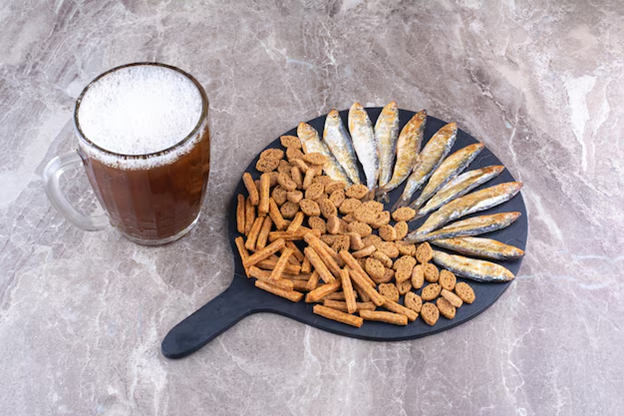
Kapenta are small sardine-like fish, either from Lake Tanganyika or Lake Kariba, and are usually dried in the sun for preservation. Once rehydrated and fried or stewed with tomatoes and onions, Kapenta becomes a crispy and flavorful dish that is rich in protein.
It’s commonly served with Sadza and is especially popular in regions near water bodies. For those browsing through restaurants in Bulawayo, traditional spots often have Kapenta on the menu as a must-try local favorite.

5. Mopane Worms (Macimbi)
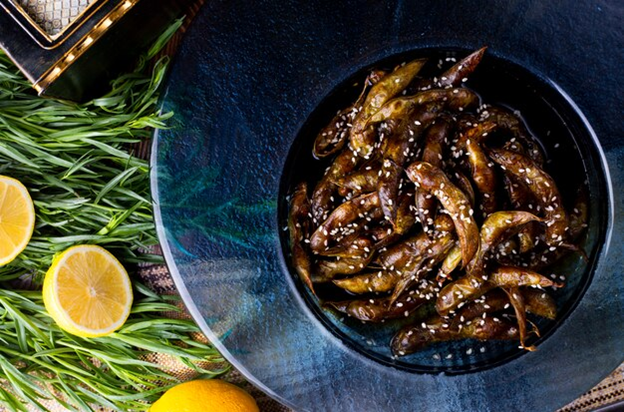
One of the more adventurous options on a Zimbabwe food menu is Mopane worms, known locally as Macimbi. These are the larvae of the emperor moth, harvested from Mopane trees. After being boiled and dried, they can be cooked with tomatoes, onions, and spices or simply fried to a crisp.
Mopane worms are a delicacy and a great source of protein. They’re especially popular in rural communities but are increasingly making their way to urban menus, gaining popularity for their unique taste and nutritional benefits.

6. Boerewors
A nod to Zimbabwe’s colonial history, Boerewors is a spicy beef sausage of South African origin that has become a staple at braais (barbecues) across Zimbabwe. It is typically grilled and served with Sadza, rice, or bread. The sausage is known for its juicy, savory taste and perfect spice blend, often including coriander, cloves, and nutmeg.
You can find Boerewors in many Zimbabwean butcheries and restaurants, especially in urban areas.

7. Maheu
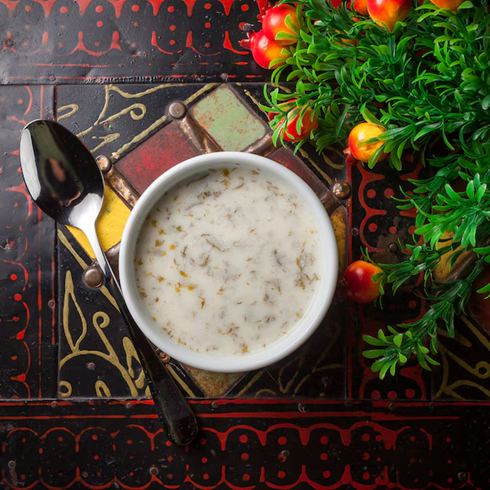
Though not a dish, Maheu is a traditional Zimbabwean fermented drink made from maize meal. It is often enjoyed as a mid-day snack or side to a meal. Its slightly sour taste and smooth texture make it both refreshing and filling.
Maheu is also now available in commercial bottled forms in various flavors, but nothing beats the homemade version served cold in clay pots.

8. Maputi (Popped Maize)
Zimbabwe’s answer to popcorn, Maputi is a common street snack made by roasting maize kernels under high heat until they pop. Slightly harder than popcorn but equally tasty, Maputi is usually salted and sometimes spiced.
While not typically found on formal restaurant menus, it’s a staple in Zimbabwean homes and marketplaces.

9. Gango
Gango is a meat-lover’s dream. It refers to a mixed grill dish consisting of various meats such as beef, pork, chicken, and sometimes sausages, all grilled or fried together and often served on a communal platter. Vegetables like onions, peppers, and tomatoes are sometimes added.
This dish is ideal for social settings and weekend get-togethers. Gango is growing in popularity at modern eateries, pubs, and restaurants.

10. Zimbabwean Chicken Stew
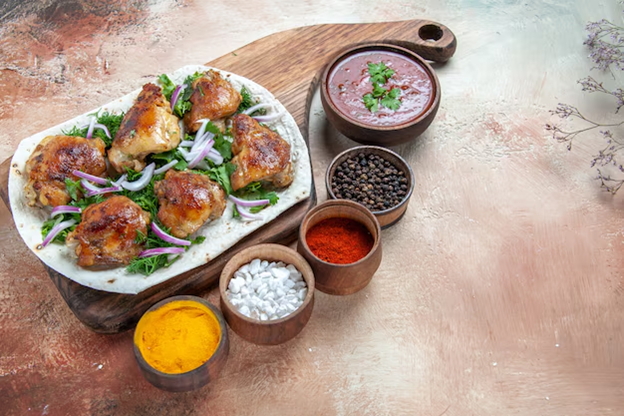
Chicken is another favorite protein, and Zimbabwean chicken stew is known for its flavorful, home-style preparation. Cooked with onions, garlic, tomatoes, and spices, the chicken is simmered until tender, producing a thick, rich gravy perfect for drenching Sadza.
Free-range chickens, known as “road runners” due to their leaner and tougher meat, are often preferred for this dish because of their distinct flavor.
Where to Enjoy Zimbabwean Food
Thanks to the rise of food tech and online services, you don’t have to travel far to enjoy traditional meals. You can now buy Zimbabwean food online and have authentic dishes delivered to your doorstep. This convenience makes it easier than ever to enjoy your favorite comfort food, whether you’re in Harare, Bulawayo, or beyond.
For locals and tourists alike, the Zimbabwe food menu offers a delightful culinary experience filled with culture, flavor, and nutrition. Each dish tells a story of tradition and togetherness, making it more than just a meal – it’s a celebration of heritage.
Final Thoughts
Whether you’re dining at a local spot, enjoying food delivery in Harare, or exploring restaurants in Bulawayo, Zimbabwean cuisine is an invitation to connect with the country’s vibrant culture. From the beloved Sadza to protein-packed Mopane worms, every item on the Zimbabwe food menu has something unique to offer. Thanks to platforms that let you buy Zimbabwean food online, you can now taste these delights no matter where you are.
So go ahead and dig in – Zimbabwean food isn’t just about eating; it’s about experiencing a legacy passed down through generations.